
Pelvic Pain
Experiencing pelvic pain is hard.
We see how it impacts your daily life.
Our pelvic floor physical therapists in Canton GA take a holistic approach to helping you heal your pelvic pain and are dedicated to finding your unique drivers to help you achieve long term results.
Pelvic Pain
If you’ve been dealing with pelvic floor pain, painful intimacy, urinary or bowel issues.
Or maybe you’ve had sciatica, lower back pain, deep buttock pain or pain with sitting for awhile and no one has been able to help.
You’re in the right place.
Typical symptoms associated with women’s pelvic pain complaints:
Pain in the vulva, urethra, bladder, ovary area and lower abdomen.
History of endometriosis and IC
Rectal pain, constipation, muscle spasms or anal fissures.
Dyssynergic Defecation
Intimacy pain or unable to tolerate penetration, feeling “a wall”, pain during or after climax.
Pain with sitting, lower back pain, SIJ pain or sciatica.
Urinary urgency, urinary incontinence, decreased urinary flow, painful urination, hesitancy when urinating.
Pelvic pain post-op hysterectomy, bowel surgery, gynecological surgery or other.
History of hernia or hernia repairs
Question: I’ve seen so many providers – could it be my pelvic floor?
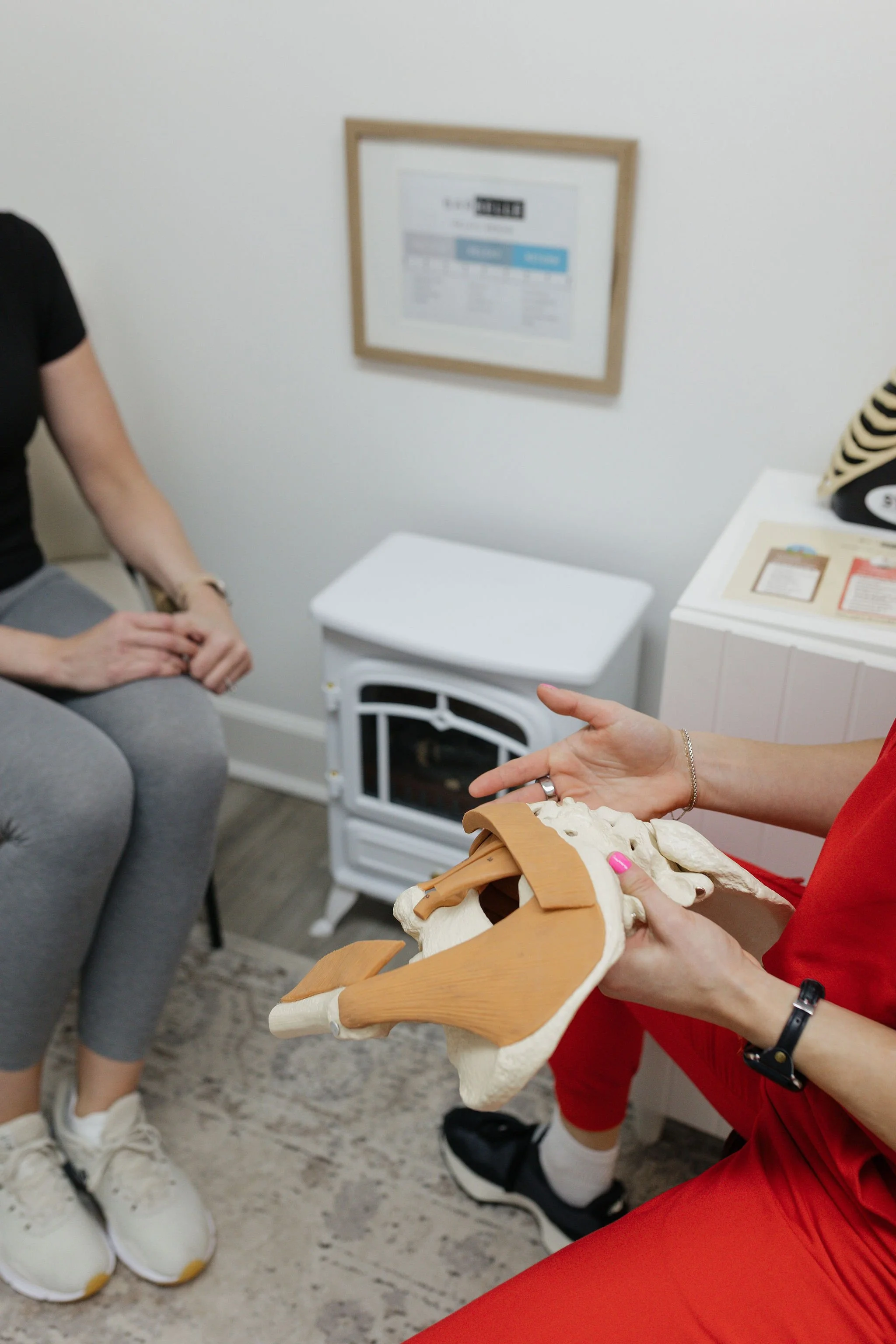
A: Many providers have the opportunity to run tests for you to rule out big and important things that need to be ruled out. When tests come up “normal” or there are painful exams or other signs it can indicate that the muscles, nerves or fascia can be the problem. Pelvic pain usually cycles between a pain-> spasm cycle and can have many triggers. Even when tests are normal or after a procedure the muscles can spasm due to inflammation in the area.
Think of a knee replacement surgery, all of the tissue surrounding the knee tightens up in response to the inflammation and pain. This can also happen following routine procedures and surgeries or even after a UTI. How long you have had your pain matters- if this sounds like you see us ASAP.
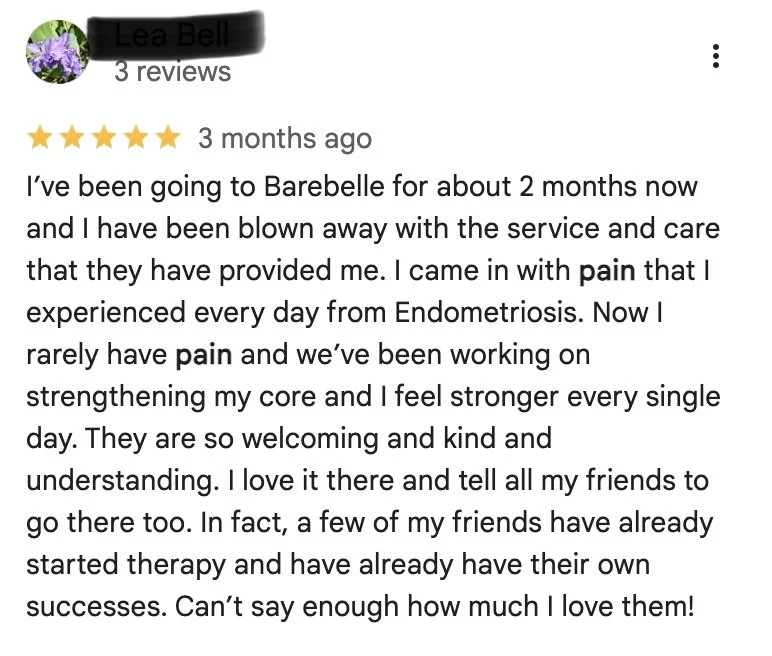
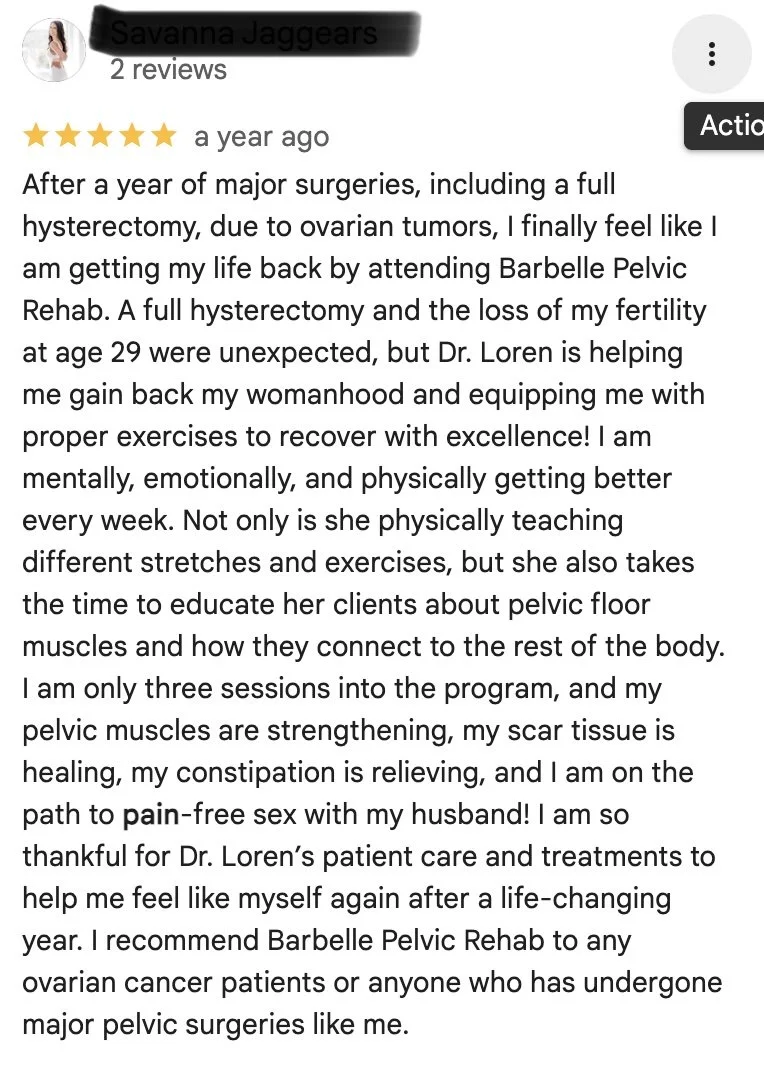
After working with us…
You’ll go from…
Having a poor understanding if your triggers for pelvic pain
Unable to relax your pelvic floor muscles, abs or hips
Limited sitting due to pain, difficulty traveling, painful sex with partner
Limiting exercising due to fear of increasing pain levels
Spending less time with friends and family
To this…
Having clarity of triggers and having a game plan when they do come
Knowing how to relax your pelvic floor, abs and hips and how to help yourself with tools at home.
Improve sitting time to allow you to travel for work.
Return to intimacy and connecting with your partner again
Exercising without fear of increasing pain
Feel more like yourself again
Question: What can you do to help with pelvic pain?
A: While everyone is different in their needs and preferences, our pelvic pain patients spend more time in the release phase of our 3-step method. This can include cupping, trigger point dry needling with or without e-stim, manual therapy work, visceral mobilization, myo-fascial release, internal and external pelvic floor muscle trigger point release.
While these techniques help calm the system down and relieve pain - we don’t stop here. We know that if we can resolve the real reason the muscles are tight you will have long term results. This means progression to exercises that help create balance in your body so your tight muscles can stop working overtime which is the secret to our results. Learn more about the road map: proven method
We also teach holistic methods such as a mind body approach and include the latest neuroscience education.
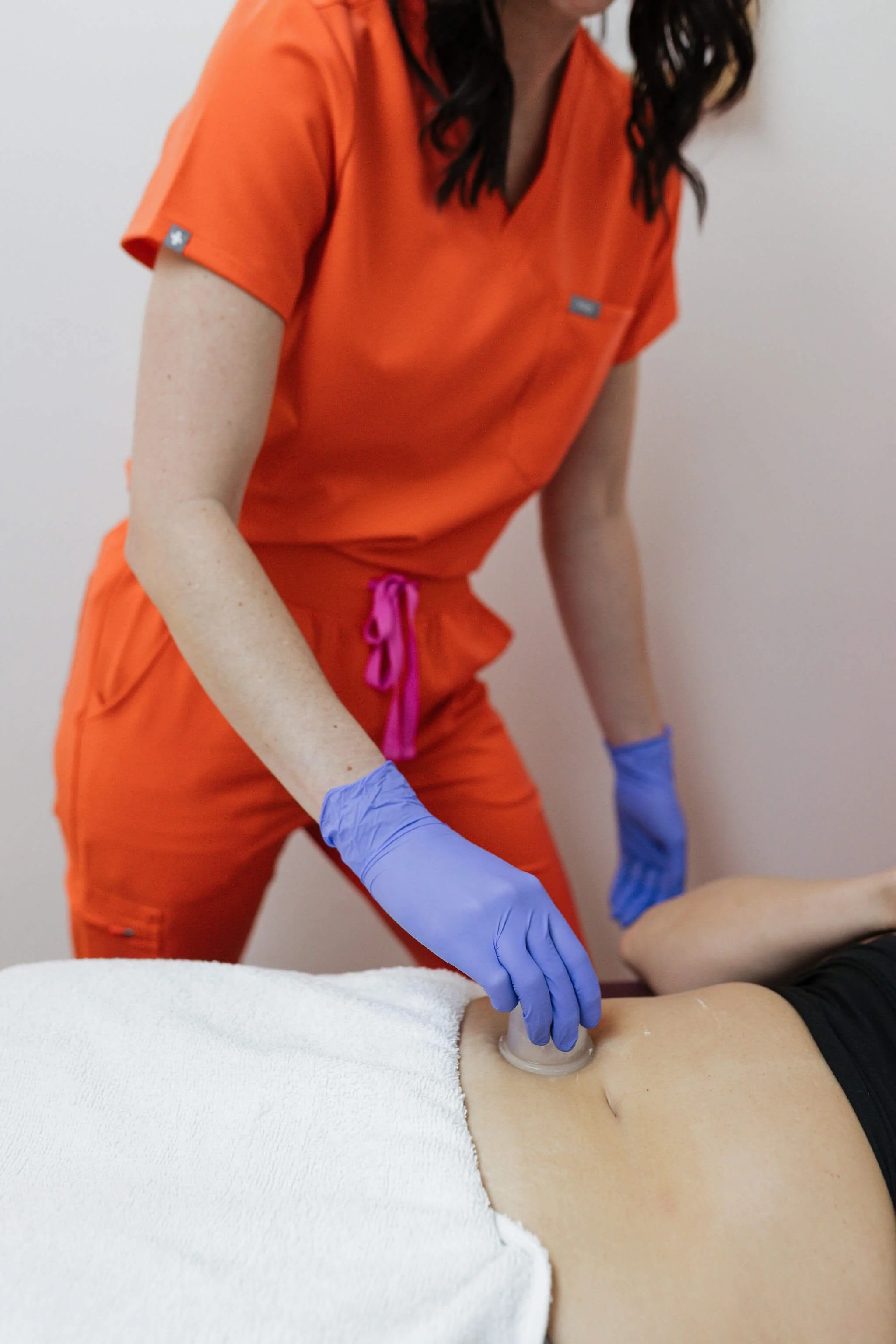
Our Method
1. Release
Identify the root cause your symptoms. We will start hands-on therapy and treatment aimed at lengthening the tissue first, decreasing pain, treating scar tissue, trigger points, muscle spasms, fascia limitations and joint stiffness. We will also focus on nervous system regulation to help your pelvic floor let go!
2. Reload
Focus on addressing strength around the pelvis, pelvic floor, deep core, abdominals and hips. Our main goal is to address asymmetries, continue to work on scar tissue and mobility to set you up for the last phase of rehab.
3. Return
This is where the magic happens. In the return phase we focus on the activities you’ve been avoiding. Instead of leaving you on your own once symptoms reduce our goal is for you to feel confidence returning to life again - what ever that means for you!